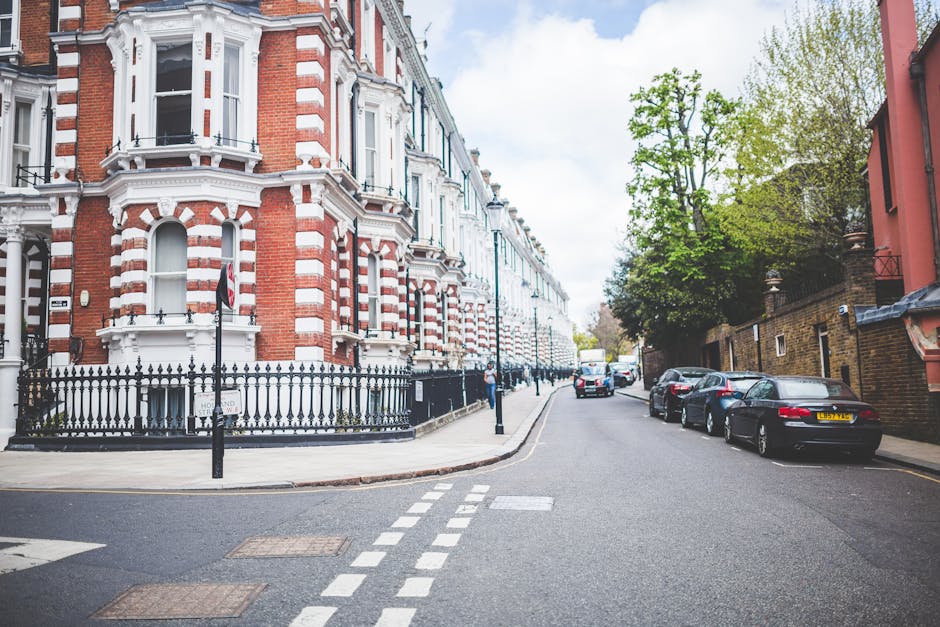
Warwick Road end of tenancy cleaning checklist Earls Court
If you are moving out of a flat or house near Warwick Road, the final clean can feel like the last big hurdle before your deposit is safely back in your hands. The Warwick Road end of tenancy cleaning checklist Earls Court below is designed to make that stage clearer, calmer, and much more manageable. It covers what landlords and letting agents usually expect, how to tackle each room properly, and where people most often get caught out. Truth be told, it is rarely the big obvious mess that causes trouble; it is the small overlooked stuff, like skirting boards, limescale around taps, or the dusty edge behind the bathroom door.
Use this guide whether you are doing the work yourself or booking a professional clean. It is written for real moving days, not perfect showroom homes. A bit of common sense goes a long way, and so does a proper checklist.
Contents
- Why Warwick Road end of tenancy cleaning checklist Earls Court Matters
- How Warwick Road end of tenancy cleaning checklist Earls Court Works
- Key Benefits and Practical Advantages
- Who This Is For and When It Makes Sense
- Step-by-Step Guidance
- Expert Tips for Better Results
- Common Mistakes to Avoid
- Tools, Resources and Recommendations
- Law, Compliance, Standards, or Best Practice
- Options, Methods, or Comparison Table
- Case Study or Real-World Example
- Practical Checklist
- Conclusion
- Frequently Asked Questions
Why Warwick Road end of tenancy cleaning checklist Earls Court Matters
End of tenancy cleaning is not just about making a place look tidy. It is about returning the property in a condition that matches the tenancy agreement and the normal expectations of a check-out inspection. In Earls Court, where many homes are rented on tight turnarounds, the standards can feel especially high. A well-structured checklist helps you stay focused and reduces the chance of disputes after you hand back the keys.
On Warwick Road, you are often dealing with compact flats, shared hallways, older building finishes, and a lot of lived-in wear. That makes a room-by-room clean more important than a quick surface wipe. Dust in a high shelf, grease inside an extractor hood, or a stained mattress can stand out more than you think once daylight hits during inspection. And yes, they do notice.
There is also the stress factor. Moving is already noisy, rushed, and a bit chaotic. A checklist brings order to the mess. It helps you decide what to clean first, what needs specialist attention, and what can be left until the final sweep. If you want professional support, a service like end of tenancy cleaning can take the pressure off, especially when timing is tight or the property needs a deeper finish.
Expert summary: The best move-out cleans are not the fanciest ones; they are the most consistent ones. Work methodically, document what you have done, and focus on the places people usually miss.
How Warwick Road end of tenancy cleaning checklist Earls Court Works
The checklist works by breaking the property into manageable zones. Instead of trying to "clean the flat" all at once, you tackle each area in a practical order. That usually means starting high and working down: ceilings, light fittings, shelves, surfaces, then floors. It also means cleaning from the back of each room towards the exit so you do not undo your own work. Simple idea. Very effective.
A good end of tenancy clean normally includes:
- removing dust, grease, and general grime from all rooms
- deep cleaning kitchens and bathrooms
- dealing with limescale, soap residue, and stubborn stains
- vacuuming, mopping, and edging floors properly
- cleaning inside appliances and furniture-safe touchpoints
- checking windows, frames, switches, handles, and skirting boards
In many Warwick Road properties, the challenge is not one huge task but lots of small ones. A rented flat can look fine at first glance and still fail an inspection because of oven residue, dusty radiators, or a greasy cabinet top. The checklist keeps those details in sight.
If the property has carpets, rugs, soft furnishings, or pet-related marks, it can help to combine the move-out clean with specialist treatments such as carpet cleaning, steam carpet cleaning, or stain removal. That is often the difference between "looks okay" and "looks properly reset".
Key Benefits and Practical Advantages
Using a proper move-out cleaning checklist brings more than one benefit. The obvious one is better presentation. The less obvious one is confidence. You know what has been cleaned, what still needs attention, and what evidence you can show if there is a question later. That peace of mind matters on moving day more than people expect.
- Better deposit protection: A cleaner property gives fewer reasons for deductions related to cleanliness.
- Less last-minute panic: You are not guessing what to clean; you have a structure.
- Clearer handover: A fresh, orderly home is easier to inspect and sign off.
- More efficient packing: Cleaning room by room often makes the final move-out smoother.
- Better results in older homes: Properties around Warwick Road often need detail work, not just a quick once-over.
There is also a practical benefit if you are a tenant with limited time. Instead of trying to work out whether the fridge, the skirting boards, or the shower screen should come first, the checklist gives you a sensible sequence. You can even split the job over two evenings, which, let's face it, is often more realistic than one heroic all-nighter with a bottle of spray cleaner.
Who This Is For and When It Makes Sense
This guide is useful for tenants, flat sharers, landlords preparing a new occupancy, and anyone managing a move on Warwick Road or nearby Earls Court streets. It is especially handy if you are working to a deadline and want to avoid missing something obvious in the rush.
You will benefit most from it if:
- you are ending a private rental tenancy
- your landlord or agent expects a professional-standard clean
- you have pets, children, or heavy everyday use in the property
- you are moving out of a furnished or part-furnished home
- the property includes carpets, upholstery, or hard water areas that need extra care
- the check-out is scheduled soon after move-out day
It also makes sense if you are short on equipment or simply do not want to spend your last day scrubbing an oven seal while boxes stack up in the hallway. In that situation, a service such as move out cleaning can be a sensible option. If you are aiming for a smoother swap between tenancies, move in cleaning is the natural follow-on once the property is ready again.
Step-by-Step Guidance
Here is the most practical way to approach the Warwick Road end of tenancy cleaning checklist Earls Court. Do not try to jump around the property randomly. That is how jobs get half-finished. Keep the order steady and you will save time.
1. Start with decluttering and removal
Before cleaning properly, remove all personal belongings, food, bin bags, hanging items, and anything else that blocks access. Open up cupboards, under-sink areas, wardrobes, and storage spaces so you can see what still needs attention. A clean cannot be judged properly if there are still socks, cables, and a lonely frying pan in the way.
2. Dust from top to bottom
Work from ceilings, light fittings, vents, and tops of cupboards down to shelves, ledges, and skirting. Dust falls, so there is no point cleaning the lower surfaces first. If blinds, curtains, or soft furnishings are staying in the property, note whether they need specialist care such as curtain cleaning or upholstery cleaning.
3. Deep clean the kitchen
This is usually the make-or-break area. Clean inside and outside cabinets, wipe backsplash tiles, remove grease from extractor fans, descale taps, and clean the sink until it feels fresh rather than just wet. Appliances need extra care: oven trays, hob rings, fridge shelves, microwave interiors, and any dishwasher filters should all be checked.
If the oven is in a bad state, do not underestimate how long it can take. A specialist oven cleaning service is often worth considering because oven grease is stubborn and time-consuming. Kitchen floors should be mopped carefully too, especially around kickboards and under movable appliances.
4. Reset the bathroom
Bathrooms are about shine, hygiene, and detail. Remove limescale from taps, shower screens, and tiles. Clean around toilet bases, behind the sink, and along grout lines where residue tends to collect. Extractor fans, mirrors, towel rails, and cabinet handles should not be overlooked.
If there is mould or heavy moisture staining, take a cautious approach and do not scrub so hard that you damage sealant or tile finishes. Better to clean carefully and preserve the surfaces than to make a bigger repair issue. That one is easy to forget when you are in a hurry.
5. Clean bedrooms and living areas properly
Vacuum floors, wipe wardrobes inside and out, clean switches, door frames, and radiators, and check for dust on window sills and behind furniture. In many Earls Court properties, the living room and bedroom cleaning standard is less about deep grime and more about visible finish. A bright window, clean corners, and dust-free skirting boards make a real difference.
6. Handle carpets, rugs, and soft surfaces
Carpets can hold smells and traffic marks even when they look alright from a distance. Pay special attention to edges, under furniture, and any pet or drink stains. If the tenancy has carpeted bedrooms or a living room runner, a professional finish may be needed. Relevant services include carpet cleaning, rug cleaning, and pet stain odour removal.
7. Clean windows, frames, and visible glass
Internal glass, mirrors, and accessible windows should be streak-free. Frames, sills, and handles collect dust quickly, particularly in busy streets where windows stay closed for long periods. If access is awkward or the glazing is awkwardly placed, choose a safe method and avoid leaning out or overreaching. It is not worth the risk.
8. Final inspection sweep
Finish by walking through each room as if you are the agent. Look for smudges at hand height, crumbs in drawers, dust on top edges, and anything that catches the eye in daylight. If needed, do a second pass with a damp microfibre cloth. That final sweep often saves the day.
Expert Tips for Better Results
Small technique choices make a big difference. In our experience, most move-out problems come from rushed cleaning rather than difficult cleaning. Here are a few things that genuinely help.
- Use two cloths per room: one for dust, one for damp cleaning. It keeps grime from spreading around.
- Open all cupboards and drawers: hidden dust is a common inspection trigger.
- Let products dwell: give bathroom and kitchen cleaners a short working time before wiping.
- Use daylight where possible: morning light reveals streaks and missed marks better than overhead bulbs.
- Clean handles, switches, and edges: these are the little touchpoints people notice first.
- Photograph the finished rooms: useful if there is any later query.
A simple but underrated tip: work from the least dirty room to the worst room. That way your tools stay cleaner for longer. Also, keep bin bags and fresh cloths ready before you start. No one wants to be hunting for a sponge while standing in a half-clean kitchen, honestly.
Common Mistakes to Avoid
Most failed end of tenancy cleans are not caused by major negligence. They are caused by a handful of predictable mistakes. Avoid these and you are already ahead.
- Cleaning only visible surfaces: inside drawers, behind appliances, and around fixtures matter too.
- Forgetting limescale: taps and shower fittings can look dull even if the room is otherwise clean.
- Ignoring skirting boards and door frames: they collect dust faster than people think.
- Leaving the oven until last: it often takes longer than expected.
- Using too much product: residue can leave streaks or sticky patches.
- Rushing carpets and upholstery: odours and stains can linger after a quick vacuum.
Another common one is underestimating the property's condition because "it looks okay". But check-out inspections are not based on feelings. They are based on what can be seen, touched, and sometimes smelt. Slightly brutal, but fair enough.
Tools, Resources and Recommendations
You do not need an industrial toolkit, but you do need the right basics. The better your kit, the less you will improvise in the middle of the job.
| Item | Why it helps | Best use |
|---|---|---|
| Microfibre cloths | Lift dust and polish surfaces cleanly | Kitchen, bathroom, glass, switches |
| Vacuum with attachments | Reaches edges, corners, and upholstery | Floors, skirting, soft furnishings |
| Descaler | Breaks down bathroom and kitchen limescale | Taps, shower screens, sinks |
| Degreaser | Helps with hob and cupboard grime | Kitchen surfaces, cooker hood areas |
| Mop and bucket | Finishes hard floors properly | Hallways, kitchens, bathrooms |
| Soft brush | Good for grout, tracks, and awkward edges | Window frames, seals, tile lines |
Where a property has more specific cleaning needs, it can be useful to match the task to the surface. For example, hard floor cleaning suits wood, laminate, or tile areas that need a careful finish, while steam carpet cleaning may be better for deeply embedded carpet dirt. If there are mattresses, sofas, or dining chairs included in the tenancy, a deeper approach such as mattress cleaning or sofa cleaning may also be helpful.
Law, Compliance, Standards, or Best Practice
End of tenancy cleaning in the UK is usually governed more by the tenancy agreement and the condition of the property than by a single cleaning law. That said, it is sensible to follow the normal standards expected by landlords and letting agents in rental properties. The key point is simple: leave the property in the agreed condition, allowing for fair wear and tear.
That means a few things in practice:
- cleaning should match what the tenancy agreement requires
- the property should be handed back in a hygienic, presentable state
- any damage, not just dirt, should be identified separately
- electrical items and specialist surfaces should be cleaned safely
If you are handling cleaning products, use them according to the label instructions and keep rooms ventilated. Safety matters, especially in smaller flats where fumes build up quickly. This is where a provider's internal health and safety policy and insurance and safety approach become relevant when booking professional help.
For tenants, the best practice is to document the condition of the property before and after cleaning with date-stamped photos. For landlords and agents, it is best practice to give clear expectations early, rather than leaving the standard vague and open to dispute. Vague expectations always turn into awkward conversations later. Always.
Options, Methods, or Comparison Table
There is more than one way to approach a move-out clean. The right method depends on time, confidence, and how much the property needs.
| Approach | Best for | Pros | Limits |
|---|---|---|---|
| DIY checklist clean | Smaller homes, tidy tenants, flexible schedules | Lower cost, full control, can be split over days | Time-consuming, easy to miss details, may lack specialist equipment |
| Professional end of tenancy clean | Busy movers, larger homes, stricter inspections | Fast, thorough, better for hard-to-clean areas | Higher upfront cost, depends on booking availability |
| Hybrid approach | Tenants who want to save money but need help with specific tasks | Balances cost and quality, useful for carpets or ovens | Needs good coordination, not as seamless as a full service |
For many Warwick Road properties, the hybrid option is the sweet spot. You handle decluttering, light cleaning, and basic wiping down, then bring in professional help for the toughest areas like ovens, carpets, or upholstery. That way you are not paying for simple jobs you could do yourself, while still protecting the final standard.
Case Study or Real-World Example
A typical Earls Court move-out might look like this: a one-bedroom flat on Warwick Road, with a compact kitchen, a tiled bathroom, and a carpeted bedroom. The tenant has packed everything, but the place still has cooking smells, some dust around the radiator, and a few marks on the hallway carpet. Nothing dramatic. Just lived-in.
They start with the checklist and spend one evening clearing cupboards, wiping high shelves, and descaling the bathroom. The next day they tackle the kitchen properly, including the oven and fridge, then vacuum and inspect the carpet edges. A final detail pass picks up window smudges and fingerprints on the cupboard doors. The result is not "new build perfect", because that would be unrealistic, but it is tidy, fresh, and inspection-ready.
In a situation like this, using a specialist service for one or two problem areas can save a lot of stress. A quick professional carpet clean, for instance, can lift the whole look of the flat. It is one of those small wins that makes the whole place feel reset. A bit of breathing space, basically.
Practical Checklist
Use this as your final walk-through for the Warwick Road end of tenancy cleaning checklist Earls Court.
- All personal belongings removed
- Bins emptied and liners replaced if required
- All surfaces dusted and wiped
- Skirting boards cleaned
- Light switches, sockets, and door handles wiped
- Windows, mirrors, and visible glass cleaned
- Kitchen cupboards cleaned inside and out
- Sink, taps, and splashback descaled and wiped
- Oven, hob, extractor, and fridge cleaned thoroughly
- Bathroom tiles, shower screen, toilet, sink, and fittings cleaned
- Bedroom wardrobes, drawers, and shelves checked
- Living room furniture and shelving dust-free
- Carpets vacuumed and stains treated
- Rugs and upholstery checked for marks or odours
- Hard floors mopped and edges finished
- Any damage noted separately from cleaning
- Final room-by-room inspection completed in daylight if possible
If the property includes shared spaces, hallways, or common entrances, do not forget them. In some buildings, communal upkeep is part of the overall impression, so a clean entry area can make the handover feel smoother. If relevant, communal area cleaning can support that final presentation.
Get a free quote today and see how much you can save.
Conclusion
A good Warwick Road end of tenancy cleaning checklist Earls Court gives you a calm way to finish a move that may otherwise feel rushed and heavy. It helps you clean properly, avoid the classic oversights, and hand back the property with confidence. Whether you do it yourself or bring in help for the stubborn jobs, the real goal is the same: a clean, fair, well-documented handover.
Keep it simple, keep it thorough, and do the final walk-through with fresh eyes. That last ten minutes can make all the difference. And once it is done, it is done. Properly done.
Frequently Asked Questions
What should be included in a Warwick Road end of tenancy cleaning checklist Earls Court?
It should cover every room, including kitchens, bathrooms, bedrooms, living spaces, floors, skirting boards, windows, cupboards, appliances, and any soft furnishings or carpets that form part of the tenancy.
How clean does a rented flat need to be at the end of tenancy?
The property should generally be returned in the condition agreed in the tenancy, allowing for fair wear and tear. In practice, that means clean, hygienic, and ready for inspection.
Do I need professional cleaning to get my deposit back?
Not always. If you can clean to a strong standard yourself, that may be enough. However, professional cleaning can help when the property is large, heavily used, or short on time.
What are the most commonly missed areas during move-out cleaning?
People often miss skirting boards, inside cupboards, behind appliances, light switches, extractor fans, window tracks, and the edges of carpets.
Should I clean the oven and fridge before leaving?
Yes. These are two of the most inspected areas in a kitchen and can quickly affect the overall impression if they are left greasy or stained.
How long does an end of tenancy clean usually take?
That depends on the property size and condition. A small flat may take several hours, while larger or dirtier homes can take much longer. If you are doing it yourself, it usually takes more time than expected.
Can carpet stains affect my deposit?
They can if the stains are beyond normal wear or are left untreated. If the carpets need more than vacuuming, specialist cleaning may be worth arranging.
Is move-out cleaning different from deep cleaning?
Yes. Deep cleaning focuses on a thorough clean, while end of tenancy cleaning is aimed at meeting the handover standard expected at the end of a rental agreement.
What if the property has pet smells or pet hair?
Pet hair, dander, and odours usually need more than a basic clean. Vacuuming, fabric cleaning, and targeted odour removal may be required for a proper result.
Should I take photos after cleaning?
Absolutely. Photos are useful proof of the property's condition and can help if there is any later disagreement about cleanliness.
Do I need to clean communal areas too?
If they were part of your use or responsibility, yes. Shared hallways or entrance spaces can influence the overall handover impression, especially in managed buildings.
Where can I find more cleaning services if I need extra help?
You can look at the wider cleaning options available, such as deep cleaning, domestic cleaning, or one-off cleaning, depending on what the property needs.