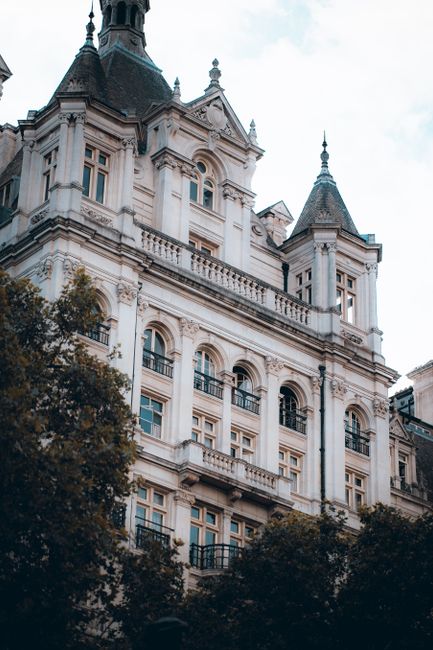
Earls Court Road Carpet Cleaning Tips for Victorian Flats
If you live in a Victorian flat off Earls Court Road, you already know the charm comes with a few little quirks. Narrow staircases, older timber floors, sash windows that let in dust, and carpets that seem to collect everything from city grit to muddy shoe prints by tea time. That is exactly why Earls Court Road carpet cleaning tips for Victorian flats need a different approach from standard flat-cleaning advice. The goal is not just to make the carpet look nice for an afternoon. It is to clean it properly, protect older materials, and avoid the sort of damp, shrinking, or dye transfer problems that can happen when a Victorian property is treated like a modern new-build.
In this guide, you will find a clear, practical way to handle cleaning in these homes. We will cover what makes Victorian flats different, which cleaning methods suit them best, what to avoid, and how to decide when a DIY refresh is enough and when a professional clean is the safer call. A bit old-school, a bit sensible. That usually works best, to be fair.
Expert summary: In Victorian flats, carpet cleaning is as much about moisture control and fibre care as it is about stain removal. The right method depends on carpet age, backing, access, and ventilation.
- Why Earls Court Road carpet cleaning tips for Victorian flats Matters
- How Earls Court Road carpet cleaning tips for Victorian flats Works
- Key Benefits and Practical Advantages
- Who This Is For and When It Makes Sense
- Step-by-Step Guidance
- Expert Tips for Better Results
- Common Mistakes to Avoid
- Tools, Resources and Recommendations
- Law, Compliance, Standards, or Best Practice
- Options, Methods, or Comparison Table
- Case Study or Real-World Example
- Practical Checklist
- Conclusion
- Frequently Asked Questions
Why Earls Court Road carpet cleaning tips for Victorian flats Matters
Victorian flats are beautiful, but they are rarely forgiving. Floors may slope slightly, underlays can be older than you expect, and previous renovations may have left a mix of materials beneath the carpet. That means a cleaning method that is perfectly fine in a newer apartment can create trouble in a period property. Too much water can take too long to dry. Harsh chemicals can affect old fibres or backing. And if the carpet sits over timber boards, trapped moisture can lead to smells that linger. Nobody wants that musty "closed up all winter" scent drifting through the hallway in November.
Another reason this matters is wear pattern. In Earls Court Road flats, carpets often take concentrated traffic at the entrance, on stairs, and in rooms where furniture has been shifted around over the years. Victorian layouts can make those high-traffic paths narrower than you think, so grime builds in obvious lanes. Once the dirt settles deep into the pile, simple vacuuming will not shift it completely. Good cleaning tips help you remove the dirt before it becomes embedded and abrasive.
There is also the issue of light and age. Older carpets can fade unevenly, especially near tall windows or in rooms that get strong daylight in the morning. If you use an aggressive stain remover in the wrong spot, you can end up with a clean patch that looks oddly bright compared with the rest of the room. That is one of those "well, that escalated quickly" moments that nobody wants after a Saturday clean.
If you are renting, preparing to move out, or simply trying to keep a period home in good order, the stakes are a little higher. A careful approach helps preserve both the look and the value of the property. For wider home-care guidance, you may also find the practical advice on domestic cleaning in Earls Court useful, especially if you are juggling carpets, upholstery, and general upkeep in one go.
How Earls Court Road carpet cleaning tips for Victorian flats Works
The basic process is simple enough: remove loose dirt, treat spots, clean the carpet using the least risky method for the material, and dry it quickly. The real skill lies in reading the room. A Victorian flat may have wool carpet, blended fibres, old jute backing, underlay that has seen better days, or all of the above. So the first step is not scrubbing. It is checking what you are dealing with.
Most safe carpet care follows a few stages:
- Assess the carpet and the room. Look at fibre type, colour, age, backing, and ventilation.
- Vacuum thoroughly. Dry soil is easier to remove before it turns muddy during cleaning.
- Test a small area. Always check colour fastness and fibre reaction first.
- Choose the right cleaning method. Low-moisture, dry, or controlled hot-water extraction may all be appropriate in different situations.
- Work in sections. This keeps drying times manageable and prevents overlap marks.
- Dry efficiently. Open windows where possible, use airflow, and avoid walking on the carpet too soon.
In older Earls Court Road flats, drying is often the deciding factor. A deep clean that leaves the room smelling wet for a day or two is not ideal, especially if the flat has modest ventilation or is occupied by family, tenants, or pets. Drying matters more than people think. It really does.
If you are considering a more complete refresh, especially for a flat with mixed soft furnishings, a combined approach can be sensible. For example, a carpet clean alongside upholstery cleaning in Earls Court can help the whole room look fresher rather than leaving one element shining and another looking tired.
Key Benefits and Practical Advantages
Done well, carpet cleaning in a Victorian flat does more than improve appearances. It makes the space easier to live in, especially if you are sensitive to dust, have pets, or simply dislike that slightly stale feeling old carpets can develop after winter.
- Better indoor freshness: Dust, soil, and odours are lifted out rather than masked.
- Longer carpet life: Grit acts like sandpaper underfoot, so removing it reduces wear.
- Cleaner edges and stairs: Victorian layouts often have visible skirting-line dirt and stair traffic marks.
- Improved presentation: Helpful for landlords, tenants, and homeowners preparing to sell or rent.
- Reduced risk of hidden damp problems: Using the right amount of moisture helps avoid lingering moisture in older floors.
There is also a practical mental benefit. A clean carpet changes how a room feels. It sounds small, but it is not. In a flat where the hallway, living room, and bedroom are all relatively compact, one tired carpet can make the whole place feel worn down. Fresh fibres can change that in an afternoon.
If you manage multiple rooms or need a broader home reset, the broader approach outlined on house cleaning in Earls Court may help you think about carpets as part of the whole property rather than a one-off job.
Who This Is For and When It Makes Sense
This advice is most useful if you live in, own, rent, or manage a Victorian flat along or near Earls Court Road. That includes:
- homeowners keeping a period property in good condition
- tenants trying to protect a deposit and leave the flat presentable
- landlords preparing between lets
- property managers handling older rental stock
- families with children, pets, or heavy foot traffic
- anyone dealing with stubborn traffic lanes, pet smells, or old stains
It makes sense to use more careful carpet-cleaning methods when the carpet is old, the underlay is unknown, or the flat does not dry well. It also makes sense after a busy winter, following a party, or at the end of a tenancy when carpet condition can influence whether the place feels cared for or just tired. Truth be told, many people only notice the carpet once it starts looking grey around the edges.
If you are working to a move-out timetable, the service page on end of tenancy cleaning in Earls Court is relevant because carpets are often one of the last things tenants underestimate. They are not glamorous, but they are absolutely noticeable.
Step-by-Step Guidance
1. Start with a proper inspection
Before you clean anything, inspect the carpet closely in daylight if you can. Check for wear, shading, fraying, stains, loose seams, and any sign of previous repairs. In Victorian flats, the carpet may cover an older floor that has shifted slightly over time, so lifting an edge just to check the backing can be worthwhile if you are comfortable doing so.
Look for:
- water stains or old spill rings
- areas near radiators where fibres look brittle
- flattened traffic lanes in hallways
- stair edges that may need gentler treatment
- patchy colour that could react badly to strong products
2. Vacuum slowly and more than once
Vacuuming is not a quick once-over job here. Go slowly. A couple of passes in different directions will lift more dust from the pile, especially if the carpet has been neglected for a while. In older homes, dust collects in a softer, finer layer than people expect. It has a way of settling in. Quietly annoying, that.
If the carpet is on stairs, use the smaller attachment and work from the top down. That stops loosened debris falling back onto lower steps. You will notice the difference straight away.
3. Spot-treat with restraint
For spills, blot first and stay calm. Rubbing is usually what causes the stain to spread or push deeper into the fibre. Use a small amount of suitable cleaning solution, apply it sparingly, and test first in an out-of-sight corner. In a period flat, it is safer to repeat a gentle treatment than to go in hard once.
One practical rule: if the stain is old and unknown, do not assume more product will help. Too much liquid can push the mark deeper or leave a tide line that is more visible than the original problem.
4. Match the method to the carpet
Low-moisture methods, dry compound cleaning, and carefully controlled hot-water extraction all have their place. The right one depends on fibre type, condition, drying time, and the room itself. Wool, for example, often benefits from gentler treatment than synthetic carpet, especially if the pile is delicate or the backing is fragile.
5. Dry the carpet fast and evenly
After cleaning, open windows if weather and security allow, create cross-ventilation, and keep people off the carpet as long as you reasonably can. In a Victorian flat, air movement can be patchy, especially in rooms facing an inner courtyard or a narrow street. A fan can help if used sensibly and safely. The aim is even drying, not a damp patch near the skirting and a dry patch in the middle. That sort of thing becomes obvious later, usually at the worst time.
6. Finish with a light grooming pass
If the carpet has a pile, a gentle brush or grooming tool can help the fibres stand up after drying. This is especially useful in rooms with visible footpaths. It is a small step, but it gives a tidy, well-kept finish.
Expert Tips for Better Results
Here is the part that usually separates a decent clean from a really good one.
- Keep moisture controlled. Victorian buildings can hide damp longer than modern flats. Less water is often better.
- Work with the pile direction. You will avoid patchiness and get a more consistent appearance.
- Use plain white cloths for blotting. Coloured cloths can transfer dye, especially on pale carpets.
- Treat skirting-line dirt early. Edge grime is common in older flats and is easier to lift before a full clean than after.
- Do a scent check after drying. If a carpet still smells damp, it is not fully dry yet, even if it looks fine.
- Clean in rooms one at a time. Spreading the job out helps maintain order in a flat with limited space.
One more thing: if your Victorian flat has been recently redecorated, make sure paint splashes or building dust are removed carefully first. Fine renovation dust can act almost like abrasive powder in carpet fibres. Not ideal. Not at all.
For properties that receive heavier traffic, especially shared homes or homes with frequent visitors, office cleaning in Earls Court may seem unrelated at first glance, but the underlying principle is the same: high-traffic spaces need consistent, controlled cleaning rather than occasional overcleaning.
Common Mistakes to Avoid
Some carpet-cleaning mistakes are obvious only after the fact. By then, unfortunately, the room has already paid the price.
- Using too much water: This is probably the biggest risk in older flats.
- Scrubbing stains aggressively: It can damage fibres and spread the mark wider.
- Skipping a test patch: Never assume a product is safe for every carpet.
- Cleaning without ventilation: Drying slows down and odours linger.
- Leaving furniture back too soon: It can cause impressions or transfer residue.
- Ignoring the underlay: The carpet may look fine while moisture sits below it.
- Using strong fragrances to mask damp: That only hides the issue for a day or two.
A slightly less obvious mistake is cleaning only the visible centre of the room. The edges, corners, and traffic routes often matter more than the middle. If those areas stay dark, the room will still look dull even when the centre looks bright. Small detail, big visual difference.
Tools, Resources and Recommendations
You do not need a houseful of equipment to keep a Victorian flat's carpets in good condition. What you need is the right small set of tools, used properly.
- A reliable vacuum cleaner with a suitable carpet head and edging tool
- White microfibre cloths for blotting and gentle lifting
- A soft-bristled brush for pile grooming after drying
- A spray bottle for controlled application, not soaking
- Fans or good natural airflow to speed up drying
- Protective gloves if you are using cleaning products by hand
For a wider understanding of what a professional cleaning company offers, the services overview is a useful place to compare everyday maintenance with more specialist support. If you want to understand more about the business itself before booking, about us and insurance and safety are helpful trust pages to review.
If you are thinking about costs rather than just method, pricing and quotes can help you frame the decision. Sometimes the sensible move is not buying more products, but getting the job done once, properly.
Law, Compliance, Standards, or Best Practice
For carpet cleaning in Victorian flats, the main compliance concerns are usually practical rather than dramatic: safe product use, protecting surfaces, and avoiding damage to the property. Still, good best practice matters. In the UK, reputable cleaning work should be carried out with care for health, safety, and the condition of the home. That means using products as directed, keeping floors safe to walk on, and preventing unnecessary moisture exposure.
If you are a tenant, it is also sensible to follow the terms of your tenancy agreement and avoid causing damage through over-wetting or inappropriate products. If you are a landlord or managing agent, documenting the condition before and after cleaning is wise. It helps prevent disputes later, and disputes over carpets can get silly very fast.
For anyone booking a professional clean, it is reasonable to expect clear communication about what method will be used, whether the carpet is suitable for that method, and how long drying should take. A cautious cleaner will usually prefer to say "this needs a gentler approach" rather than force a universal process onto an old Victorian carpet. That is a good sign, not a limitation.
It can also help to review related policies where relevant, especially if you are using a company for a broader service relationship. Pages such as terms and conditions, privacy policy, and complaints procedure offer useful reassurance about process and expectations.
Options, Methods, or Comparison Table
Different methods suit different Victorian flat conditions. Here is a simple comparison to help you decide what is likely to work best.
| Method | Best for | Pros | Watch-outs |
|---|---|---|---|
| Vacuuming + spot treatment | Light maintenance, fresh spills | Fast, low-risk, inexpensive | Will not remove deep soil |
| Low-moisture cleaning | Older carpets, limited ventilation | Faster drying, reduced damp risk | May need multiple passes for heavy staining |
| Hot-water extraction | Durable carpets with embedded dirt | Deep cleaning, strong soil removal | Drying time must be managed carefully |
| Dry compound cleaning | Sensitive areas or very low moisture tolerance | Minimal water use, useful in older properties | Not always ideal for all stain types |
In practice, many Victorian flats benefit from a hybrid approach: dry soil removal first, controlled treatment for spots, then a cautious deep clean only where needed. There is no prize for doing everything the hardest way. None at all.
Case Study or Real-World Example
Consider a typical Earls Court Road flat: two bedrooms, a narrow hallway, and a living room with a wool-blend carpet that has been in place for years. The hallway shows dark traffic paths. The living room has a faint coffee mark near the sofa. The flat faces the road, so dust is a regular visitor.
The right approach starts with a full vacuum, especially along the edges and around skirting boards. The coffee mark is then blotted and tested with a mild solution in a hidden corner. Because the flat has older timber beneath the carpet and only average ventilation, a low-moisture cleaning method is chosen for the main areas rather than a very wet clean. The cleaning is done room by room, with windows opened where safe and a fan used to encourage drying.
What changes most after the clean is not just the stain. The whole room looks calmer. The traffic lanes are lighter, the carpet pile feels softer underfoot, and the flat smells cleaner without turning clammy. That is the real win. Not perfection. Just a home that feels cared for.
If you are planning a more complete refresh, especially before guests, a move, or a property handover, it can also help to look at related local advice such as carpet cleaners in Earls Court for broader service context and expectations.
Practical Checklist
Use this quick checklist before, during, and after carpet cleaning in a Victorian flat.
- Inspect the carpet for wear, fraying, stains, and fading
- Identify the fibre type and backing if possible
- Vacuum slowly, including edges and corners
- Test any cleaner on a hidden patch first
- Use as little moisture as practical
- Blot spills instead of scrubbing them
- Keep windows open or improve airflow during drying
- Do not replace furniture until the carpet is fully dry
- Check for lingering odour or damp after cleaning
- Consider professional help if the carpet is old, valuable, or badly stained
If you tick most of those boxes, you are already doing better than a lot of people. Honestly, a careful clean beats a rushed deep clean almost every time in a period property.
Conclusion
Earls Court Road Victorian flats have character in spades, but their carpets need a careful hand. The safest and most effective approach is usually the one that respects age, fibre type, moisture sensitivity, and ventilation rather than forcing a one-size-fits-all routine. Start with inspection, vacuum properly, treat stains gently, and always prioritise drying. That simple sequence can save you a lot of trouble later.
Whether you are preparing for guests, managing a tenancy, or just trying to make an older flat feel fresh again, the most reliable Earls Court Road carpet cleaning tips for Victorian flats are the ones that protect the property while still giving you a clean, comfortable result. Small steps, done well, make a big difference. That is especially true in homes with a bit of history in the floorboards.
Get a free quote today and see how much you can save.
Frequently Asked Questions
What is the safest carpet cleaning method for a Victorian flat?
The safest method depends on the carpet, but low-moisture cleaning is often a strong option in Victorian flats because it reduces the risk of over-wetting older floors and underlays.
Can I steam clean a carpet in an older Earls Court Road flat?
You can sometimes, but only if the carpet and room are suitable. Steam or hot-water extraction can work well on durable carpets, though drying time and moisture control must be managed carefully.
Why do Victorian flats need special carpet cleaning care?
Older properties may have delicate fibres, unknown backings, timber floors underneath, and less predictable ventilation. That makes moisture and product choice more important than in modern flats.
How do I stop carpets smelling damp after cleaning?
Dry them quickly with airflow, avoid using too much water, and do not put furniture back too soon. If a carpet still smells damp after drying, it may need more ventilation.
What should I do about old stains that keep coming back?
Old stains can rise back to the surface if the wrong product is used or if too much moisture is applied. A careful spot test and a gentler repeated treatment are usually better than one aggressive attempt.
Is vacuuming enough for a Victorian flat carpet?
Vacuuming is essential, but it will not remove deep-set dirt, grease, or old stains. It works best as part of a routine that includes spot treatment and occasional deeper cleaning.
How often should carpets be cleaned in a Victorian flat?
That depends on traffic, pets, and lifestyle. High-use areas such as hallways and living rooms usually need more attention than spare bedrooms. A regular maintenance plan helps prevent build-up.
Can cleaning damage old carpet pile?
Yes, if the wrong method is used. Harsh scrubbing, too much moisture, and strong chemicals can flatten or weaken fibres, especially on older or wool-rich carpets.
What are the signs I should call a professional cleaner?
If the carpet is valuable, heavily stained, sensitive to moisture, or located in a flat with poor ventilation, professional help is usually the safer choice.
Do landlords expect carpets to be professionally cleaned at the end of a tenancy?
Expectations vary, so the tenancy agreement matters. Even when professional cleaning is not strictly required, a well-cleaned carpet can still make a strong difference at check-out.
How can I tell if a carpet is too old to clean aggressively?
Look for fraying, brittleness, fading, loose seams, or repeated wear marks. If the carpet already feels fragile, a gentler method is the sensible route.
Where can I learn more about local cleaning services and related support?
You can explore the site's wider guidance through pages like services overview, pricing and quotes, and about us for context on service approach and expectations.